Dr. Amit Saklani is a highly skilled oncologist based in Dehradun, with 5 years of experience in treating various types of cancer. He holds an MBBS, MD, and DM in Medical Oncology and specializes in chemotherapy, immunotherapy, targeted therapy, and palliative care.

Visiting Hours

Gallery Posts

Targeted Therapy

Targeted therapy

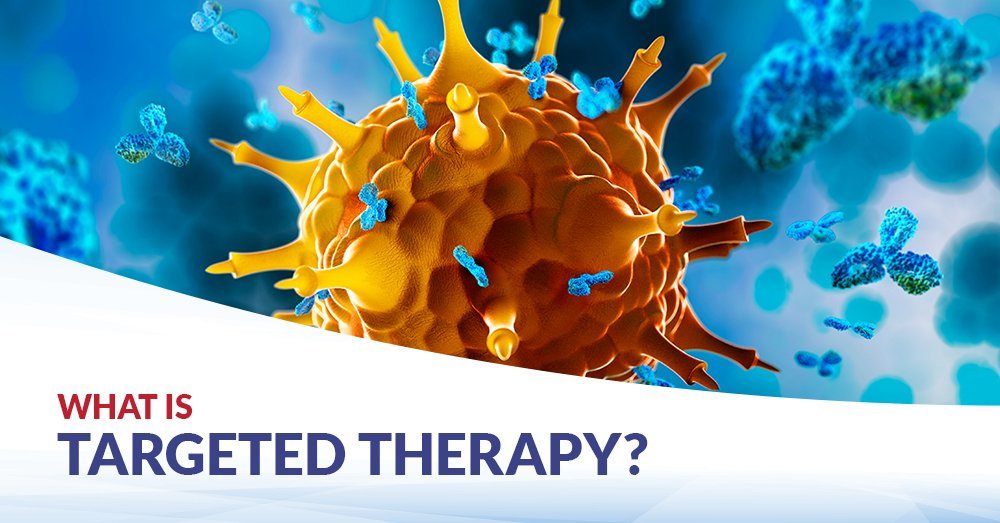
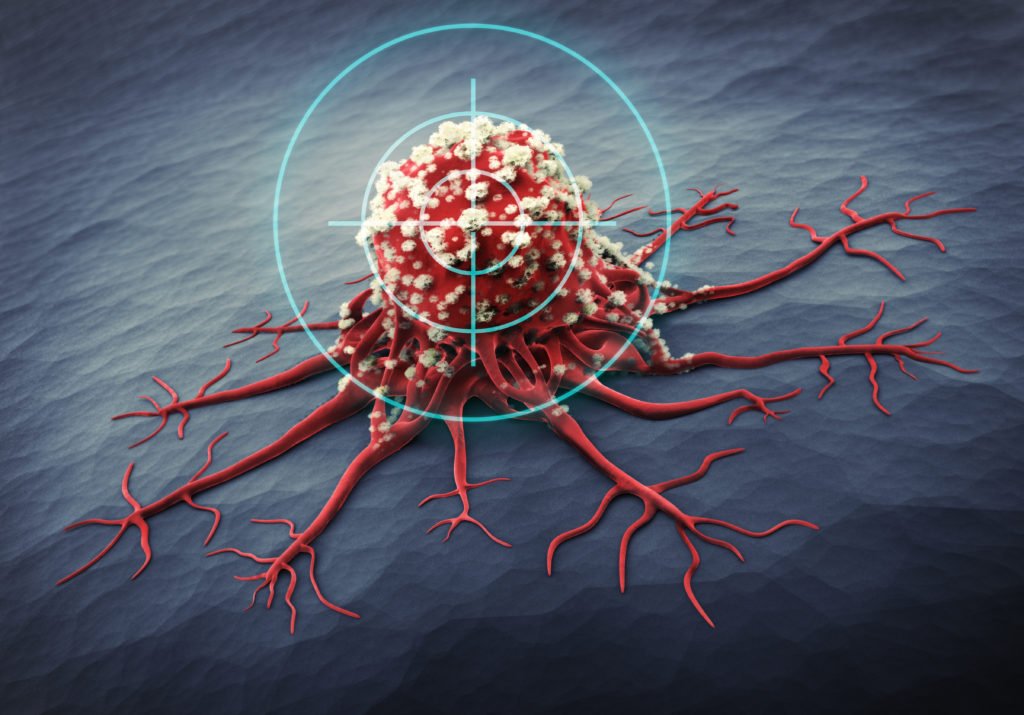
Targeted therapy is a type of cancer treatment that focuses on specific genes, proteins, or the environment of cancer cells that are involved in cancer growth and survival. Unlike traditional chemotherapy, which can affect both healthy and cancerous cells, targeted therapy aims to attack cancer cells with greater precision, minimizing damage to normal cells.

Cancer arises from mutations or abnormalities in certain genes and proteins that control cell growth and division. Targeted therapies are designed to block these specific molecules or pathways that cancer cells use to grow, divide, and spread. By interfering with these targets, the treatment disrupts the cancer’s ability to function and multiply.

There are two main types of targeted therapies :-

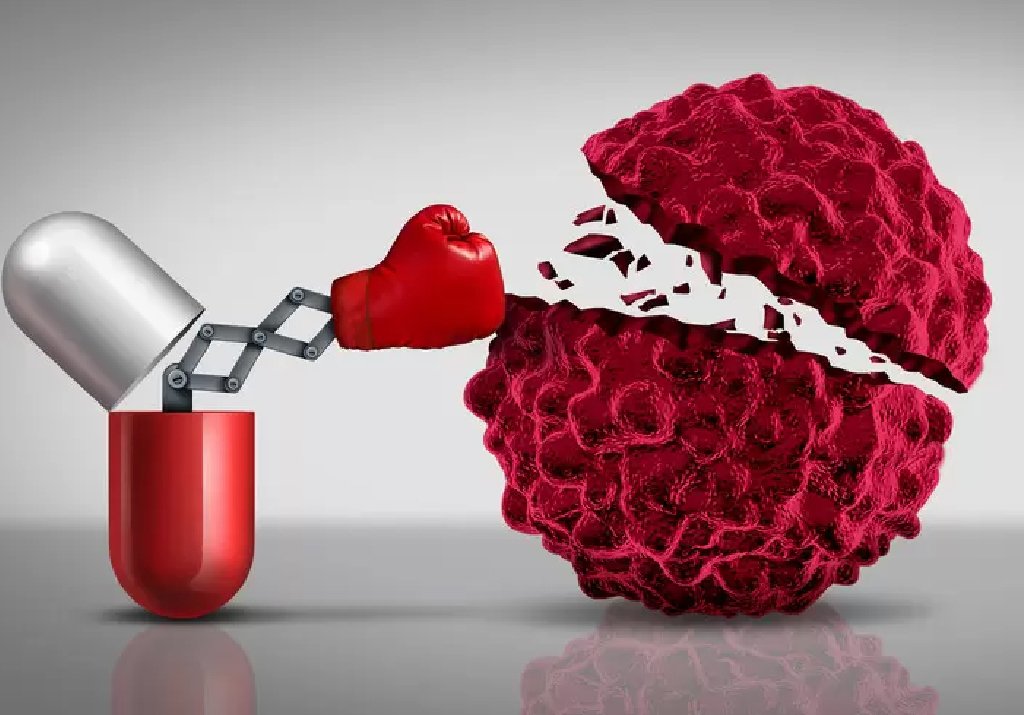
  • Small molecule drugs :- These are often able to enter cells easily and are used to target specific proteins or enzymes within the cancer cell.
  • Monoclonal antibodies :- These are laboratory-made molecules that can bind to specific targets on the outside of cancer cells, blocking signals or delivering toxins directly to the cancer cells.

Targeted therapy F&Q's

Targeted therapy is a type of cancer treatment that focuses on specific molecules or proteins in cancer cells that help them grow and spread. Unlike chemotherapy, which affects both healthy and cancerous cells, targeted therapy is designed to attack only cancer cells, making it more precise.

While chemotherapy attacks all rapidly dividing cells, targeted therapy specifically blocks cancer cell growth by focusing on molecules that are crucial to cancer cells’ survival. This precision can lead to fewer side effects compared to chemotherapy.

Targeted therapy can be given in various forms, such as pills (oral medications) or through an intravenous (IV) infusion. The method of administration depends on the specific drug and the type of cancer being treated.

Targeted therapy is used to treat various cancers, including breast cancer, lung cancer, melanoma, colorectal cancer, and certain types of leukemia and lymphoma. However, its effectiveness depends on the presence of specific genetic mutations or markers in the cancer.

Yes, before targeted therapy, doctors often perform genetic or biomarker tests on the tumor to determine if it contains specific mutations or proteins that can be targeted. These tests help identify whether targeted therapy is an appropriate treatment for you.

Targeted therapy offers a more personalized approach to cancer treatment with potentially fewer side effects than traditional chemotherapy. It works by directly interfering with cancer cell growth, making it more effective in some cases and improving the quality of life during treatment.