Dr. Amit Saklani is a highly skilled oncologist based in Dehradun, with 5 years of experience in treating various types of cancer. He holds an MBBS, MD, and DM in Medical Oncology and specializes in chemotherapy, immunotherapy, targeted therapy, and palliative care.
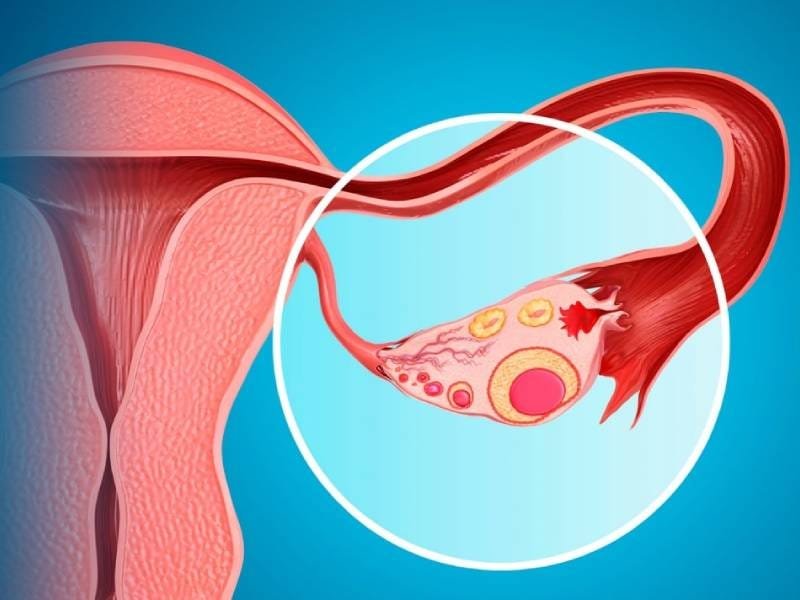
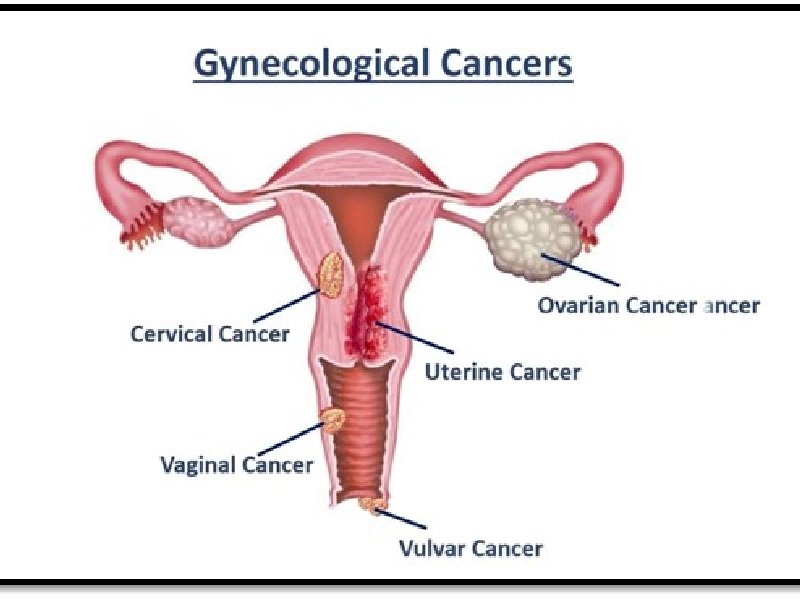
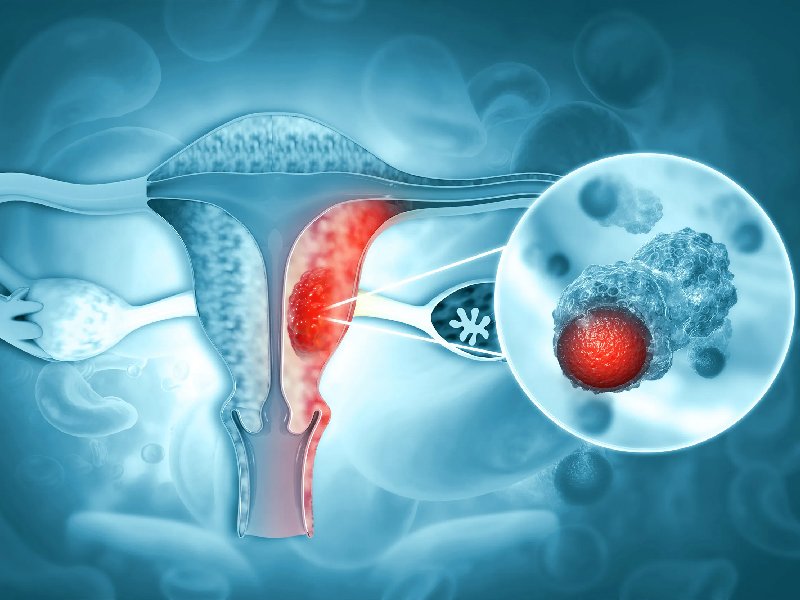
Gynecological cancer refers to cancers that start in a woman’s reproductive organs. It encompasses several different types of cancers, each affecting a specific part of the female reproductive system. These cancers include ovarian cancer, cervical cancer, uterine (endometrial) cancer, vulvar cancer, and vaginal cancer.
Gynecological cancers can be life-threatening, but early detection through screenings and awareness of symptoms significantly improves treatment outcomes. Women should be proactive in maintaining regular health check-ups and discuss any unusual symptoms with their healthcare providers.
Gynecological Cancer F&Q's
Gynecological cancer refers to cancers that affect the female reproductive organs, including ovarian, cervical, uterine (endometrial), vaginal, and vulvar cancers. Each type has its own set of symptoms, risk factors, and treatment approaches.
Symptoms vary depending on the type of cancer but may include abnormal vaginal bleeding, pelvic pain, bloating, unusual vaginal discharge, pain during intercourse, or changes in the appearance of the vulva. It's important to consult a doctor if you experience any of these symptoms.
Prevention strategies include :-
Getting the HPV vaccine to prevent cervical, vaginal, and vulvar cancers.
Regular Pap tests and pelvic exams for early detection.
Maintaining a healthy weight, avoiding smoking, and practicing safe sex to lower your risk.
Diagnosis may involve a combination of pelvic exams, Pap smears, HPV testing, imaging tests (like ultrasounds or CT scans), and biopsies where tissue samples are examined under a microscope.
Common risk factors include HPV infection, age, family history of cancers, smoking, obesity, use of hormone replacement therapy, and genetic mutations like BRCA1 and BRCA2.
Treatment options depend on the type and stage of cancer and may include surgery, chemotherapy, radiation therapy, targeted therapy, immunotherapy, and hormone therapy.