Dr. Amit Saklani is a highly skilled oncologist based in Dehradun, with 5 years of experience in treating various types of cancer. He holds an MBBS, MD, and DM in Medical Oncology and specializes in chemotherapy, immunotherapy, targeted therapy, and palliative care.
| Mon - Fri: | 8:00 am - 8:00 pm |
| Saturday: | 9:00 am - 6:00 pm |
| Sunday: | 9:00 am - 6:00 pm |

Chemotherapy is a widely used and effective treatment for cancer that involves the use of powerful drugs to kill or slow the growth of cancer cells. Since cancer cells grow and divide more rapidly than normal cells, chemotherapy drugs are designed to target and attack these fast-growing cells. While chemotherapy can be highly effective in treating various types of cancer, it often comes with a range of side effects due to the damage it can cause to healthy cells that also divide quickly, such as those in the hair follicles, bone marrow, and gastrointestinal tract.
Chemotherapy drugs work by interfering with the cancer cell’s ability to grow and divide. These drugs can affect cancer cells at different stages of their growth cycle, preventing them from multiplying or causing them to die. Unlike localized treatments such as surgery or radiation therapy, chemotherapy works systemically, meaning it can target cancer cells throughout the body. This makes it particularly effective for cancers that have spread (metastasized) or for cancers that cannot be surgically removed.
Chemotherapy is a type of cancer treatment that uses drugs to kill or stop the growth of cancer cells. It works by targeting rapidly dividing cells, which include cancer cells. Chemotherapy can be used alone or in combination with other treatments like surgery or radiation.
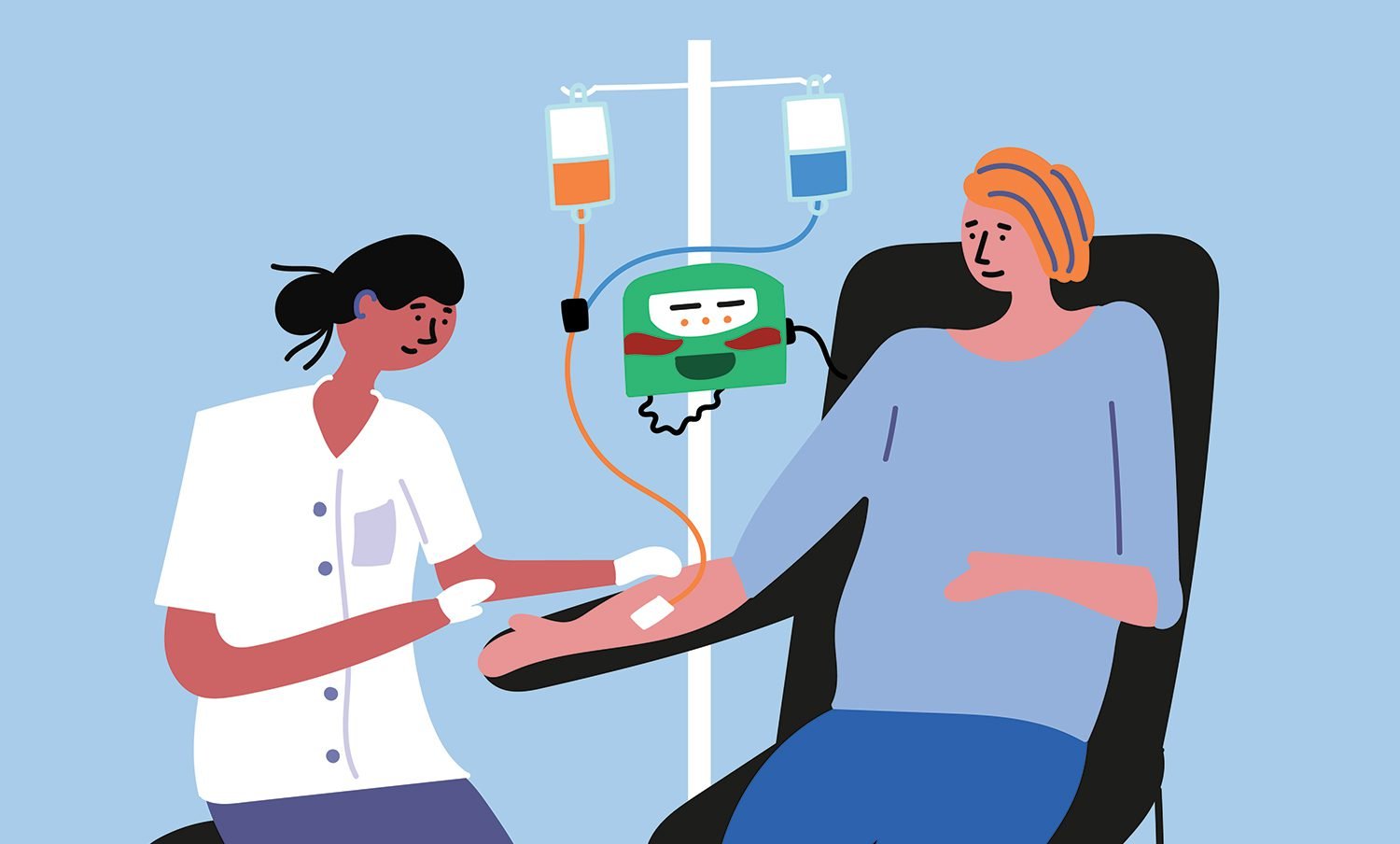
Chemotherapy can be administered in different ways, including intravenously (IV), orally in the form of pills, by injection into a muscle, or topically (applied to the skin). The mode of delivery depends on the type of cancer and the specific treatment plan.
Yes, chemotherapy can cause side effects because it affects healthy cells that also divide quickly, such as those in the hair, skin, and digestive tract. Common side effects include hair loss, nausea, vomiting, fatigue, and increased risk of infection. However, many of these side effects are temporary and can be managed with supportive care.
The length of a chemotherapy session depends on the specific drugs being used and the treatment plan. A session can take anywhere from a few minutes to several hours. Your doctor or nurse will provide more information based on your individual treatment schedule.
The number of treatments varies based on the type and stage of cancer, the specific chemotherapy drugs being used, and how your body responds to treatment. Chemotherapy is typically given in cycles, with rest periods in between to allow your body to recover.
Many people are able to continue with some of their normal activities, but this depends on how they respond to treatment. Fatigue is a common side effect, so you may need to adjust your schedule or take time off work. It’s important to listen to your body and discuss any concerns with your doctor.

Copyright 2024 All Rights Reserved Dr. Amit Saklani Design by Rainbow Shine Infotech